Best Art Galleries in Sydney
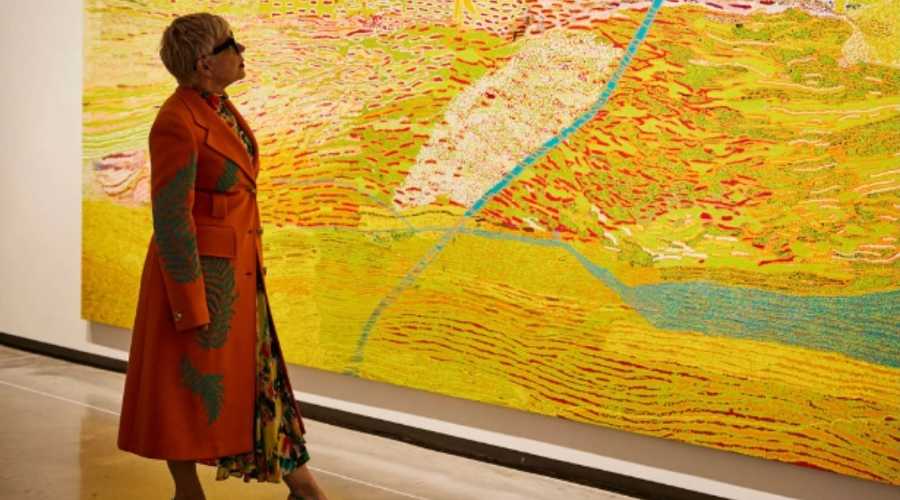
If you love nothing more than to get a regular fix of culture, you'll be pleased to discover that the best art galleries in Sydney, also rank as some of the best in the whole of Australia too.
From major institutions that feature priceless artworks, to small independent establishments that showcase the talents of up and coming artists, there are plenty of venues you can visit to appreciate the lines, colours, shape, form, value, space and texture of creative expression.
If you find yourself with some time on your hands, and are looking for something to stimulate your mind, below is a list of 20 Sydney art galleries you should make a point of visiting.
All of which offer something different from each other in terms of their exhibits and displays.
MCA: Museum Of Contemporary Art Sydney
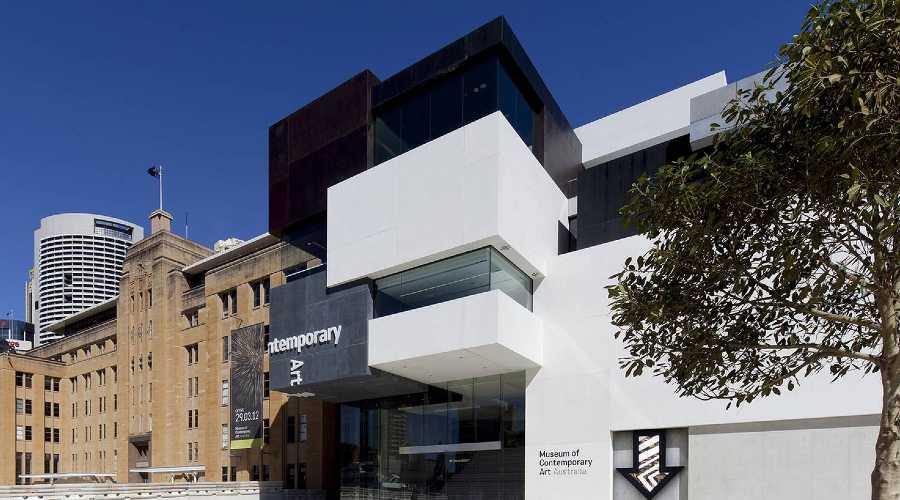
Fondly referred to as the MCA, the Museum Of Contemporary Art is arguably the most famous, and best of all art galleries in Sydney.
Situated within a stunning waterside Art Deco building that resides at Circular Quay, it hosts a number of major exhibitions all year round.
As it spans four floors, you could easily spend half a day or longer taking in all the magnificent artworks that are on display.
Showcasing the work of both Australian and international artists, the MCA also runs regular education programs, as well as online exhibitions.
If you fancy a break for coffee or lunch, be sure to make your way up to its rooftop cafe, as the views of the Sydney Opera House from there are sensational.
- Address: Museum Of Contemporary Art, 140 George Street, The Rocks, Sydney, NSW 2000
- Phone: (02) 9245 2400
- Hours: Mon ' Closed, Tue ' Thur 10 am ' 5 pm, Fri 10 am ' 9 pm, Sat ' Sun 10 am ' 5 pm
White Rabbit Gallery
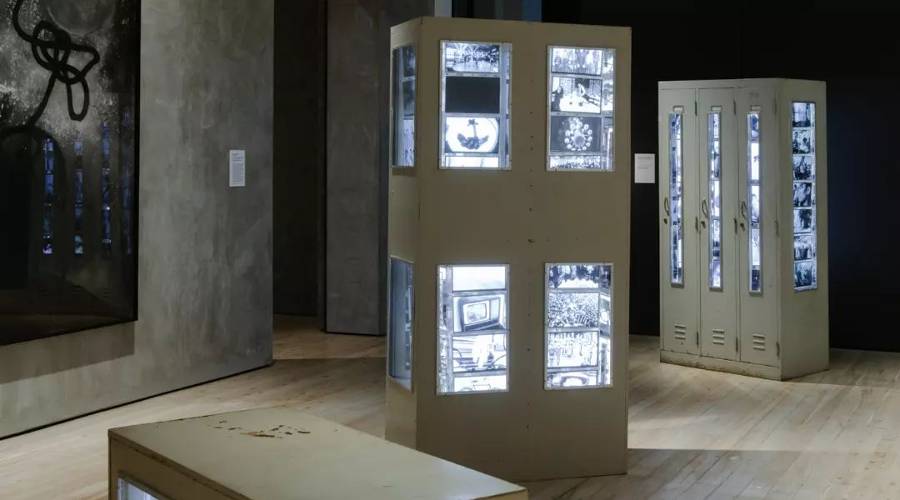
Located in Chippendale, the White Rabbit Gallery is one of those Sydney art galleries that everyone should visit.
Owned by Billionaire businesswoman and philanthropist, Judith Neilson, the gallery houses one of the biggest collections of privately owned 21st Century Chinese Art in the world.
Containing over 2,700 works from more than 750 artists, this is another gallery that spans four floors. With so much to see, a free guided tour is well worth doing here. As you will get to find out all about the history and background of the gallery and some of its most prominent artwork.
The venue also features 'Phoenix', an art performance space that hosts opera, contemporary dance and musical shows. It also has an excellent teahouse that serves up some of the finest Chinese tea in town.
- Address: 30 Balfour St, Chippendale NSW 2008
- Phone: (02) 8399 2867
- Hours: Mon ' Tues Closed, Wed ' Sun 10 am ' 5 pm
Art Gallery NSW
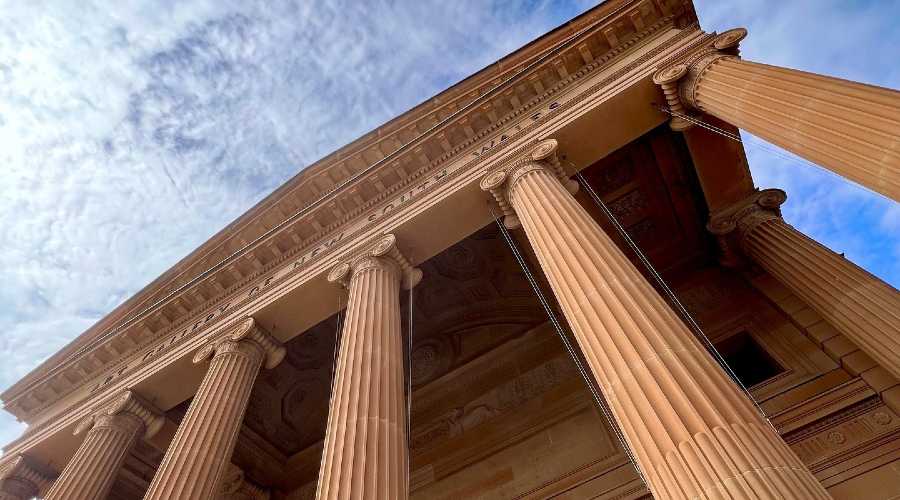
Situated close to the beautiful botanic gardens, the Art Gallery NSW is undoubtedly one of the most popular public exhibition spaces in the whole of Australia. Attracting well over a million visitors every year.
Nestled within the heart of The Domain ' one of Sydney's most iconic green spaces ' this massive venue showcases one of the biggest permanent exhibitions of Aboriginal and Torres Strait Islander artwork in the world.
It is also where one of Australia's most important art events takes place. The annual Archibald, Wynne and Sulman Prizes, which celebrates the work and achievements of world class landscape, portrait, genre or subject artists.
Set across five massive floors, the museum also hosts contemporary exhibitions on a regular basis.
Every Wednesday evening, it also hosts 'Art After Hours', which sees the museum stay open until 10 pm for talks, workshops, and screenings.
- Address: Art Gallery Rd, Sydney NSW 2000
- Phone: (02) 9225 1700
- Hours: Mon ' Tue 10 am ' 5 pm, Wed 10 am ' 10 pm, Thur ' Sun 10 am ' 5 pm
Roslyn Oxley9 Gallery
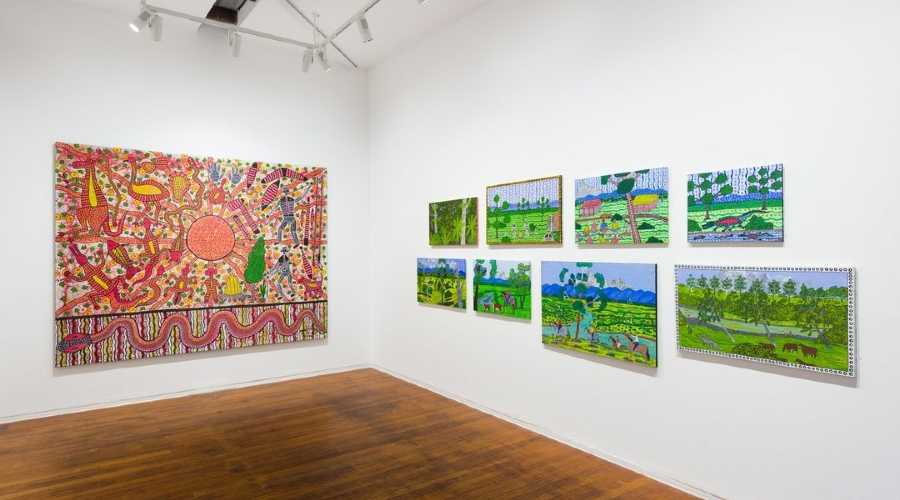
For over 40 years, the Roslyn Oxley9 Gallery has been responsible for cultivating some of the biggest names in the Sydney art scene.
This includes the likes of Jenny Watson, Tracey Moffatt, Patricia Piccinini, Fiona Hall, Bill Henson, Dale Frank and Imants Tillers, who all maintain a strong level of influence today.
Located in Paddington, this private and intimate gallery hosts a wonderful range of inclusive and stimulating shows throughout the year. This includes everything from private dinners and artists talking about their work, to orchestral performances and other cocktail party type events.
It also showcases a fantastic exhibition of artworks that change every three weeks, to maintain a healthy degree of freshness and integrity.
- Address: 8 Soudan Ln, Paddington NSW 2021
- Phone: (02) 9331 1919
- Hours: Sun ' Mon Closed, Tues ' Sat 10 am ' 6 pm
Artspace
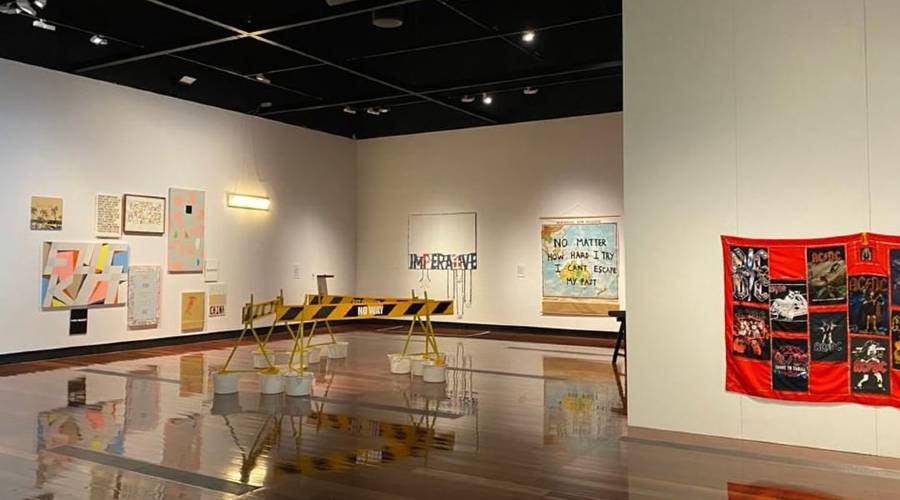
Residing directly opposite the iconic Harry's Cafe De Wheels in Woolloomooloo (which is well worth a visit in itself), Artspace is committed to promoting the drawcard of culture, via its displays of contemporary art.
Formerly the squatting home of many artists in the 1970s and 1980s, the modern, multi-storey warehouse has been transformed into one of the best art galleries in Sydney.
Now a major centre for contemporary and residency-based, international art, the venue runs several displays of modern art, as well as open studio events, symposiums and numerous talks.
If you consider yourself a true art connoisseur, this destination is a must visit.
- Address: The Gunnery, 43/51 Cowper Wharf Roadway, Woolloomooloo NSW 2011
- Phone: (02) 9356 0555
- Hours: Mon ' Fri 11 am ' 5 pm, Sat ' Sun 10 am ' 5 pm
National Indigenous Art Fair

If you are into indigenous art then the National Indigenous Art Fair is somewhere you should check out.
One of the best Sydney art galleries, when it comes to celebrating the works of incredibly talented artists of Aboriginal and Torres Strait Islander descent, this venue comes into its own during NAIDOC week in July.
Housed within Circular Quay's Overseas Passenger Terminal, this exhibition provides you with a fantastic opportunity to discover more about, and support, indigenous culture in Australia. You can even buy any artwork that captures your attention too.
As well as the artwork on display, you can also get to enjoy live music and Aboriginal dancers performing.
- Address: 130 Argyle St, The Rocks NSW 2000
Brett Whiteley Studio
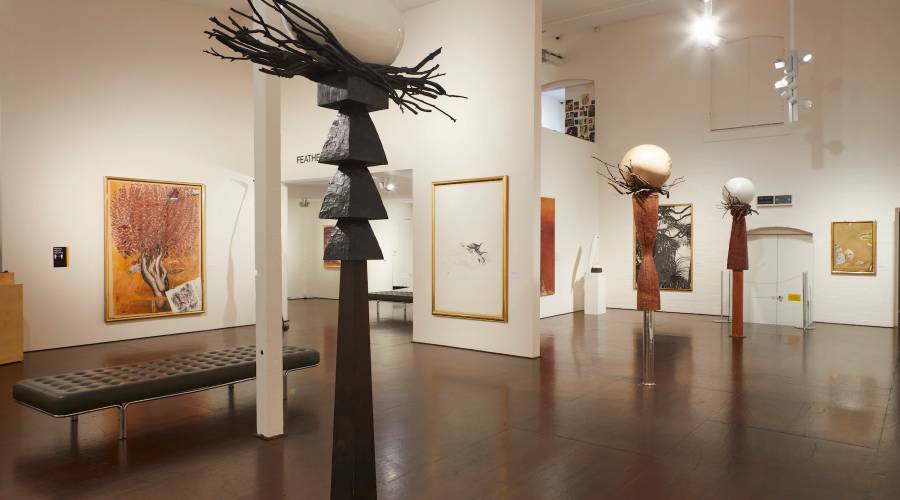
Quietly tucked away in a charming residential laneway in Surry Hills, the Brett Whiteley Studio is a wonderful gallery to visit.
If you want to do that, you will have to visit between Thursday and Sunday when it is open. But if you do pop in to it, you will get to see some of the best works of one of Australia's most iconic 20th century artists.
Between 1988 and 1992, when he passed away, Brett lived and worked here with his wife. Today it has been turned into a captivating gallery/museum that displays his artwork, as well as sketchbooks, photographs, personal memorabilia and music collections.
His collection is displayed on a rotating basis, however at any given time you should see plenty of birds within his work, as that seemed to have been a major source of inspiration for him.
- Address: 2 Raper St, Surry Hills NSW 2010
- Phone: (02) 9225 1881
- Hours: Mon ' Wed Closed, Thur ' Sun 10 am ' 4 pm
107 Projects

Situated within a repurposed and renovated car garage in the heart of Redfern, 107 Projects is not your standard art gallery.
It is in fact an outstanding, not-for-profit, art space community that hosts events on pretty much a nightly basis.
Running everything from concerts, installations and visual art displays to workshops, dance groups and theatrical performances, it even accommodates a co-working space within its downstairs area, ' replete with comfortable sofas ' where creative people can bounce ideas off each other.
Featuring also a cool rooftop garden where you can enjoy drinks, 107 Projects is an all-inclusive venue that strives to reflect the diversity of Redfern's creative community in everything it puts on.
- Address: 107 Redfern St, Redfern NSW 2016
- Phone: (02) 9167 6999
- Hours: Sun ' Tues Closed, Wed ' Sat 11 am ' 5 pm
Carriageworks
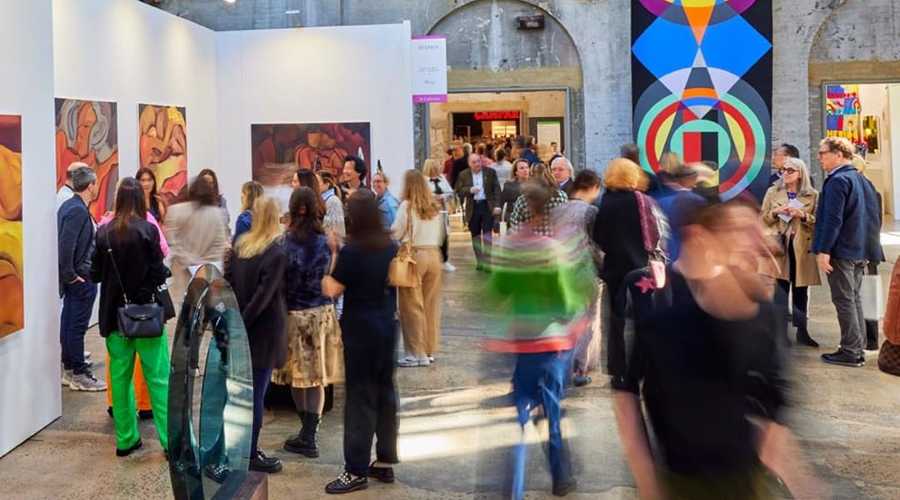
Priding itself on being one of the most significant and biggest modern multi-art centres in the country, Carriageworks is widely considered to be among the best of all Sydney art galleries.
Housed within the old Eveleigh Railway Yards, the venue has a distinctly 19th-century industrial vibe to it, with several heritage features like brick and wrought ironwork being left exposed.
At any given time, its dedicated art space hosts a wide selection of cultural and artistic events. This includes the likes of single-room exhibitions, massive art installations, talks, festivals, workshops and film screening.
One of the main drawcards is acclaimed artist, Nick Cave's, incredible 'Until' exhibition, which is well worth seeing.
If you go to check it out on a Saturday, you can also visit the very popular organic farmer's market which runs from within it on that day.
- Address: 245 Wilson St, Eveleigh NSW 2015
- Phone: (02) 8571 9099
- Hours: Mon ' Tues Closed, Wed ' Sat 10 am ' 5 pm
Firstdraft
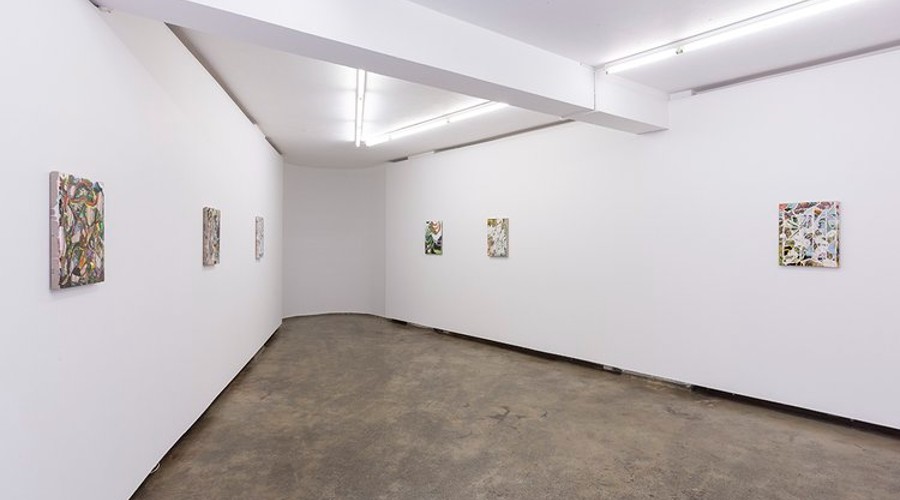
If you are hoping to see new, innovative and exciting art from up-and-coming artists then Firstdraft is where you should be.
Proud to be Australia's oldest, artist-run event, this Woolloomooloo based gallery hosts between three and four experimental exhibitions every month.
Although it is quite modern and compact in size, their fabulous programme is developed via a call out twice a year, to any artist that wants to be involved.
Additionally, every August, Firstdraft also hosts a highly prized fundraising event. During it you can procure for yourself a fantastic piece of artwork, by an established or emerging artist, for a significantly reduced price, than you would otherwise be able to buy in a commercial gallery.
- Address: 13/17 Riley St, Woolloomooloo NSW 2011
- Phone: (02) 8970 2999
- Hours: Mon ' Tues Closed, Wed ' Sun 11 am ' 5 pm
AIRspace Projects inc.
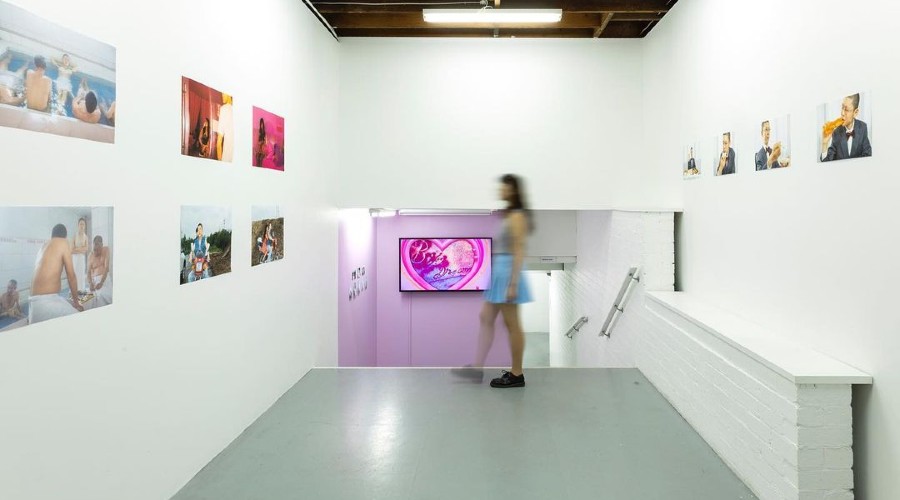
Established by friends Brenda Factor and Sally Clarke in 2014, AIRspace Projects is a very successful artist-run, non-profit initiative.
Located in Marrickville, it was originally conceived to be a studio space, however the formerly run-down warehouse is now recognised as one of the coolest art venues in Sydney.
The gallery has developed a reputation for presenting contemporary art displays that cross age, cultural and conventional barriers.
To keep things fresh, brand new exhibitions launch on the first Friday of every month. Showcasing the work of both established and emerging artists from Sydney, New South Wales, Australia and beyond, these new displays run for exactly three weeks.
During the third Saturday of the show, some of the exhibiting artists attend the gallery to present keynotes about their work, as well as share insights and ideas about art in general.
- Address: 10 Junction St, Marrickville NSW 2204
- Hours: Mon ' Thur Closed, Fri ' 11 am ' 6 pm, Sat ' Sun 11 am ' 5 pm
Darren Knight Gallery

Over in Waterloo, the Darren Knight Gallery has been impressing visitors ever since it first opened in 1997.
Holding two concurrent exhibitions every 5 weeks, on two different floors, the gallery averages 16 shows a year ' not including art fairs.
The great thing about these shows is that they are always fresh, varied and thought provoking. Ranging from stunning single-colour, large-scale, photographic works to quirky portraits by acclaimed painter Noel McKenna, of dogs tied up in Rose Bay.
As well as the exhibitions, the gallery hosts the odd artist and music performance, which are every bit as compelling as the artwork on display.
- Address: 840 Elizabeth St, Waterloo NSW 2017
- Phone: (02) 9699 5353
- Hours: Sun ' Mon Closed, Tues ' Sat 10 am ' 5 pm
Sullivan+Strumpf

Another venue run by very good friends, Sullivan+Strumpf has steadily grown in popularity to become one of the best art galleries in Sydney for those who enjoy Asian-Pacific art.
Housed in a charming space in Zetland, their displays represent the work of some of the leading artists in this region.
This includes pieces from such luminaries as Hiromi Tango, a noted Japanese-Australian artist who creates pieces that feature exceptional and colourful, twisted chromosomal forms. As well as Nyoman Masriadi, a Balinese painter who is known for his eye-catching superhero figures.
The VR work of Shanghainese artist Yang Yongliang is also very prevalent too.
- Address: 799 Elizabeth St, Zetland NSW 2017
- Phone: (02) 9698 4696
- Hours: Sun ' Mon Closed, Tues ' Sat 10 am ' 5 pm
Cement Fondu
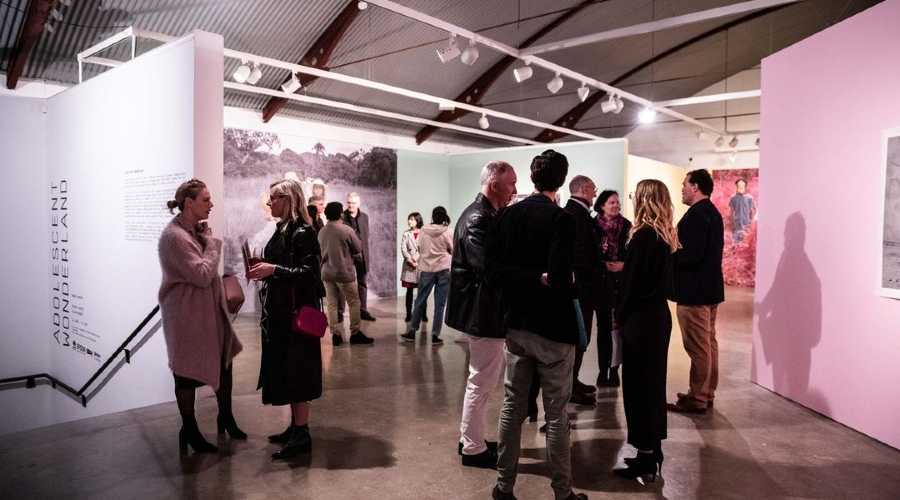
While it might be a distinguished venue, Cement Fondu in Paddington is a bit different from other Sydney Art Galleries.
Instead of 'representing' artists in the same traditional sense in which many of its contemporaries do, they provide them, instead, with a platform that allows them to pursue, and present, more unconventional forms of art-making.
To say their shows can be left of center is a bit of an understatement. A recent one of them took the form of a dress-up style photo shoot. Where visitors were draped in specially designed blankets that were created by renowned artist Sione Monu, while being entertained by hip DJ Leo Tanoi.
It sounds like a quirky place to visit, but is one that is well worth going to.
- Address: 36 Gosbell St, Paddington NSW 2021
- Phone: (02) 9331 7775
- Hours: Mon ' Wed Closed, Thurs ' Sun ' 11 am ' 5 pm
Jerico Contemporary
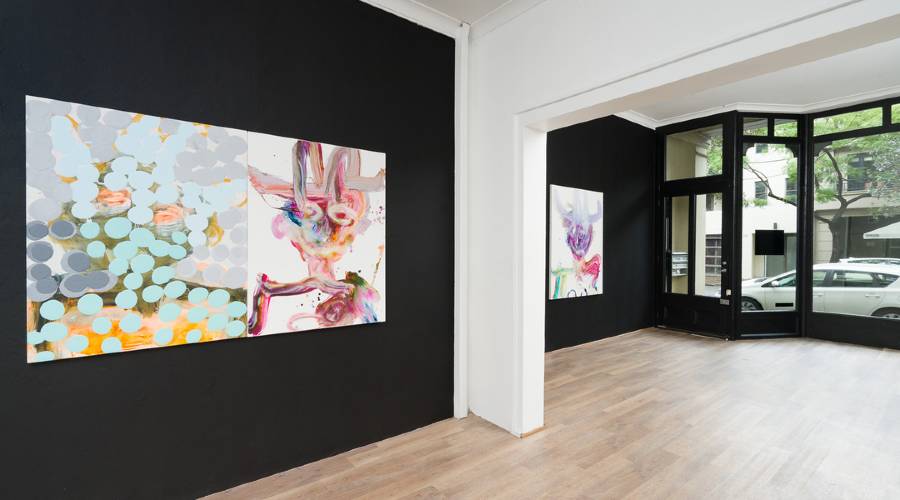
Although a relative newby on the scene in Woolloomooloo, the Jerico Contemporary gallery has quickly developed for itself a loyal following of art lovers.
Run by Jerico Tracy this venue attracts some of Sydney's most influential art buyers. thanks in no small part to impressive shows, including its inaugural one that featured the work of Christiane Spangsberg, the celebrated Danish artist.
Other displays have included the richly completed paintings of Jamie Preisz, the stunning sculpture curated by Holly Ryan and the enchanting otherworldly images that are prevalent in the works of Anna Pogossova.
A new exhibition opens every four weeks, mostly on a Thursday, in an event that takes place between 6 ' 8 pm. For those who can only make it at the weekend, it also runs book launches, panel discussions and insightful artist talks.
- Address: 94 Cathedral St, Woolloomooloo NSW 2011
- Phone: (02) 9380 6524
- Hours: Sun ' Tues Closed, Wed ' Fri 10 am ' 5 pm, Sat 10 am ' 4 pm
The Commercial
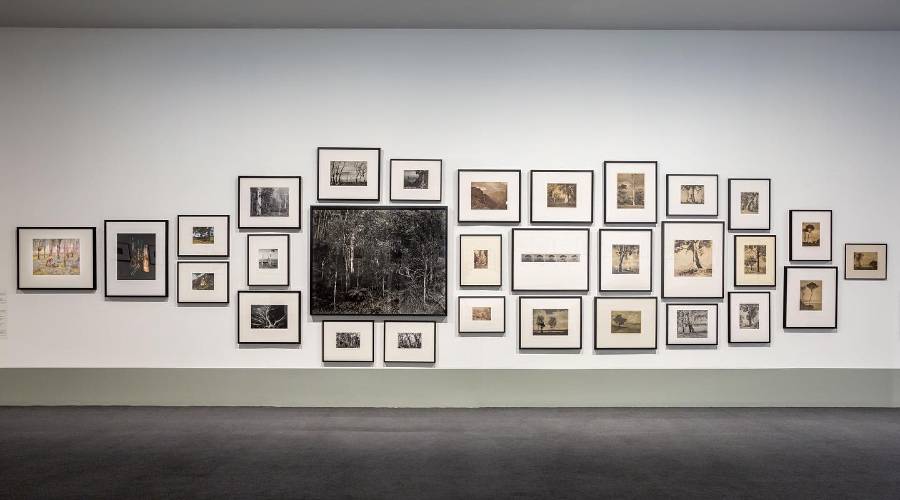
Any venue that features the work of Mitch Cairns, the revered Archibald prize winner, as well as such esteemed artists as Yasmin Smith, (who has exhibited at the Sydney Biennale) and Diena Georgetti, must be considered one of the leading of all Sydney art galleries.
Run by Amanda Rowell, the gallery director, The Commercial showcases the artistic talents of 16 exceptional artists. All of whom are renowned for the integrity of their concepts and balance of their visuals.
Originally opened in Redfern, the gallery quickly relocated to a larger industrial space in Marrickville on the back of steady success.
It now regularly hosts events and exhibitions during the day, which tend to change every 6 weeks, that take advantage of the natural light which floods into its vast space.
- Address: 5/4 Jabez St, Marrickville NSW 2204
- Phone: (02) 8096 3292
- Hours: Sun ' Wed Closed, Thur ' Sat 11 am ' 4 pm
Maunsell Wickes Gallery
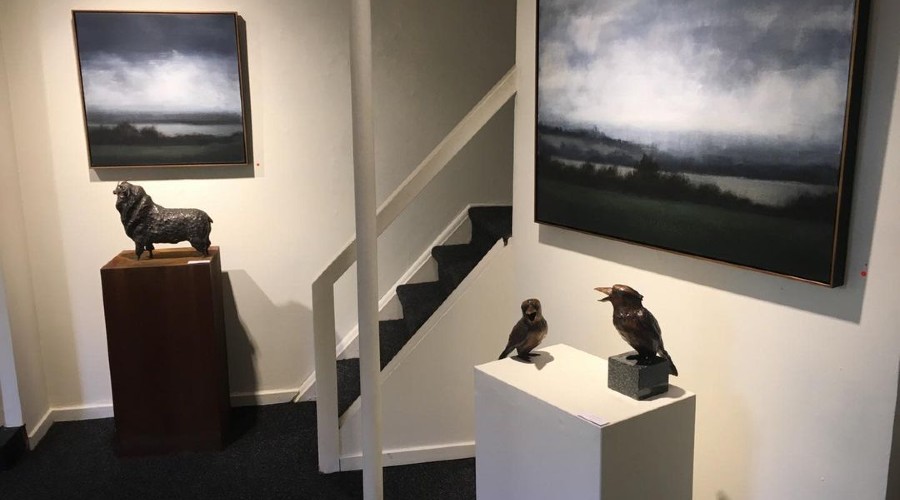
Located in Paddington, the Maunsell Wickes Gallery is a quaint gallery that is actually situated within three terraced houses that day back to the 1840s.
Overall this gallery has nine separate exhibition spaces which tend to be unique from anything else you can find in the city.
At any given time you will see a mixture of displays that include Aboriginal paintings and sculpture in this funky little gallery.
- Address: 19 Glenmore Rd, Paddington NSW 2021
- Phone: (02) 9331 4676
- Hours: Mon Closed, Tues ' Sat 11 am ' 5.30 pm, Sun 12 ' 5 pm
Artereal Gallery
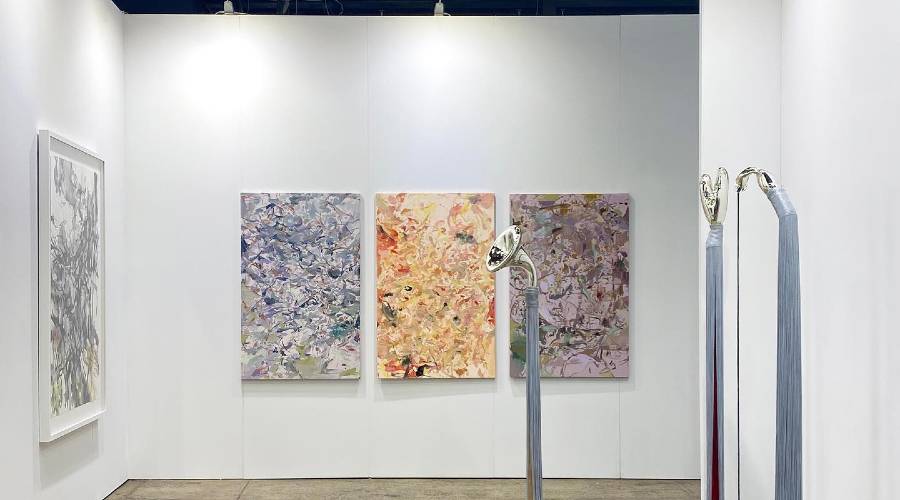
For more than 15 years Artereal Gallery has quietly established itself as one of the most interesting of all Sydney Art Galleries.
Set within a quaint 1890s heritage fire station in Rozelle, the venue showcases some of the most expansive, rarest and groundbreaking artwork in the city.
Founded by Luisa Catanzaro, an art collector and generous philanthropist, the gallery runs monthly opening nights for new exhibits, that highlight the work of artists who push the boundaries of creativity.
Come here to see Sam Holt's incredible paintings, Anna Carey's imaginative architectural spaces and Louise Zhang's exceptional sculptural forms.
- Address: 747 Darling St, Rozelle NSW 2039
- Phone: (02) 9818 7473
- Hours: Sun ' Tues Closed, Wed ' Sat 11 am ' 5 pm
The Artery Contemporary Aboriginal Art Gallery
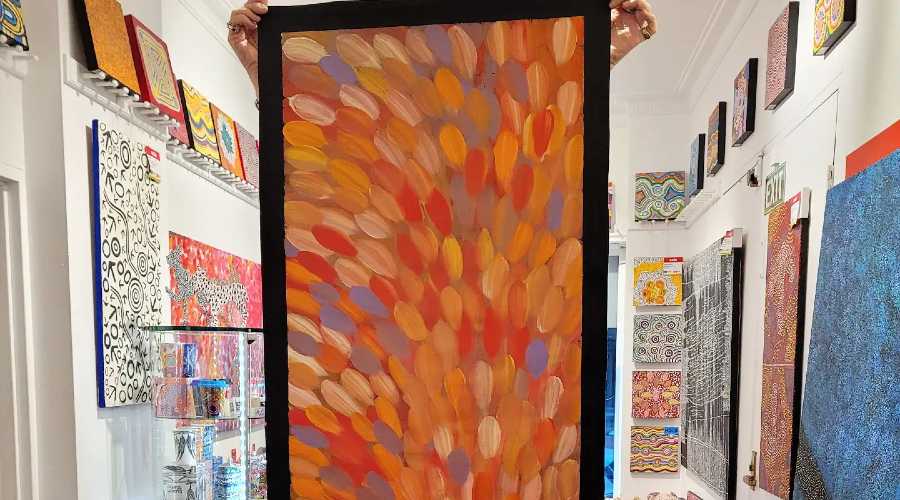
The Artery Contemporary Aboriginal Art Gallery is another gallery of note for those who appreciate indigenous art.
Located within The Westbury in Darlinghurst, this exceptional art gallery displays the captivating art forms of some of the remotest indigenous communities in Australia.
A signatory of the Indigenous Code of Conduct, the The Artery works with emerging and established aboriginal artists, as well as notable centres like Warlukurlangu, to showcase the best in modern native art and gift ware.
Most importantly, it is done in a sustainable and ethical way that benefits the artists and their communities.
- Address: Shop 2 The Westbury, 221 Darlinghurst Rd, Darlinghurst Sydney NSW 2010
- Shop: 02 9380 8234
- Hours: Mon ' Sun 10 am ' 5 pm
Campbelltown Arts Centre
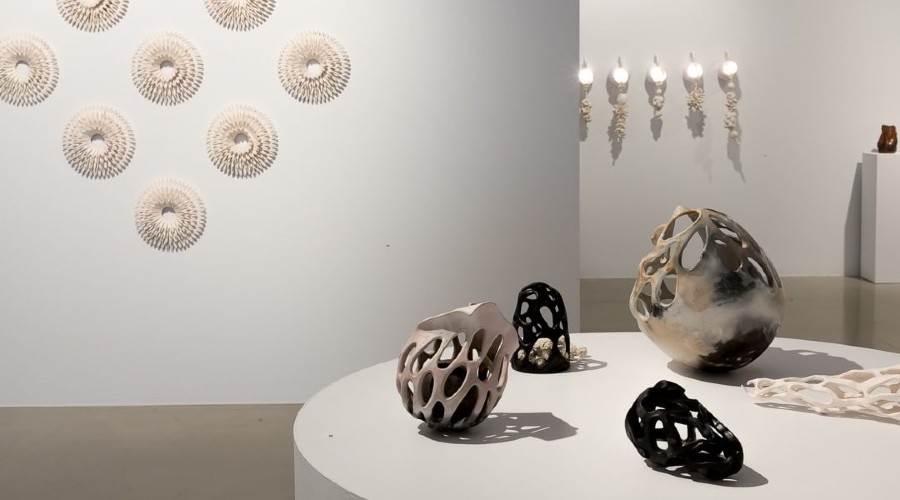
When it comes to determining the best art galleries in Sydney, the Campbelltown Arts Centre has to be considered in any discussion.
Serving as a contemporary, multi-discipline arts centre, it facilitates a safe and secure platform for both artists and communities to explore their creativity. Enabling them to challenge prejudices and perceptions, take risks, raise questions and highlight confronting issues through their work.
Delivering a program that presents contemporary visual artwork, creative dance, music, theatre and other emergent practices, this venue boasts gallery spaces, a performance studio, workshops and a large outdoor amphitheatre.
Attracting over 70,000 visitors every year, it is a cultural facility any lover of the arts should visit on a regular basis.
- Address: 1 Art Gallery Rd, Campbelltown NSW 2560
- Phone: (02) 4645 4100
- Hours: Mon ' Sun 10 am ' 4 pm